- agents
- AI
- APIs
- architecture
- augmented reality
- books
- bureaucracy
- career
- change
- Christmas
- cloud
- collaboration
- communication
- complexity
- computer history
- corporate life
- data
- decisions
- delivery
- devops
- end user tools
- ethics
- failure
- fear
- fundamentals
- gaming
- government
- history
- humans
- hype
- identity
- infrastructure
- innovation
- language
- leadership
- learning
- legacy
- management
- measurement
- mental health
- money
- networking
- New Year
- operations
- partnership
- philosophy
- physics
- platforms
- prediction
- process
- procurement
- programming
- quantum
- reliability
- resilience
- risk
- robotics
- science
- science fiction
- security
- shadow IT
- space
- standards
- strategy
- teaching
- teams
- technical debt
- technology advocacy
- testing
- thinking
- transformation
- TV
- virtues
- vision
- writing
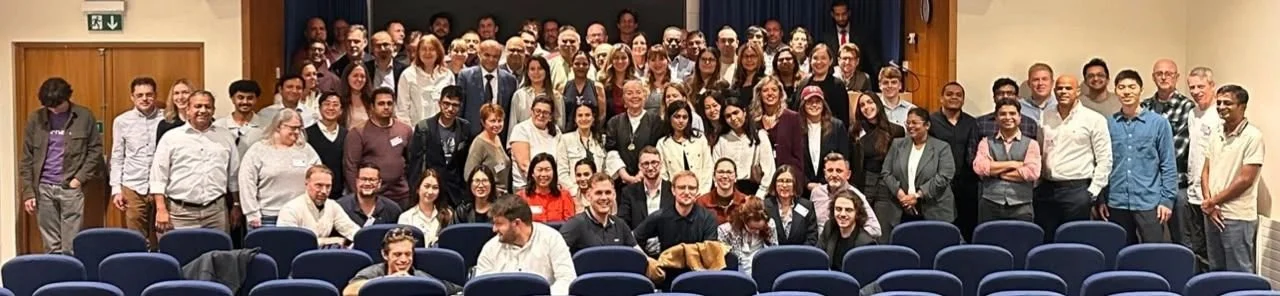
Curious humans help each other think better
I was privileged to attend and speak at the AI Summit in Oxford last week (with huge thanks to Ajit Jaokar and the rest of the team for making it happen). As ever, I learnt a lot from the formal presentations, and even more from the conversations during breaks. However, the moments that really shaped my thinking were those which challenged my preconceptions. Here are three of those challenges:
Why don’t you like the Stoics?
In my own keynote session, I talked about one of my favourite topics: AI ethics, and how we can use ideas about virtue, vice and flourishing to develop a rounded, flexible and human response to the challenges of new technology. (I also wrote about this last week.) In that talk, I dismissed other forms of philosophy that seem to be popular in Silicon Valley, particularly utilitarianism (too concerned with optimisation), deontology (too focused on finding rules which probably don’t exist) and Stoicism. I also rashly promised, that I would explain my antipathy to these schools of thought during the break.
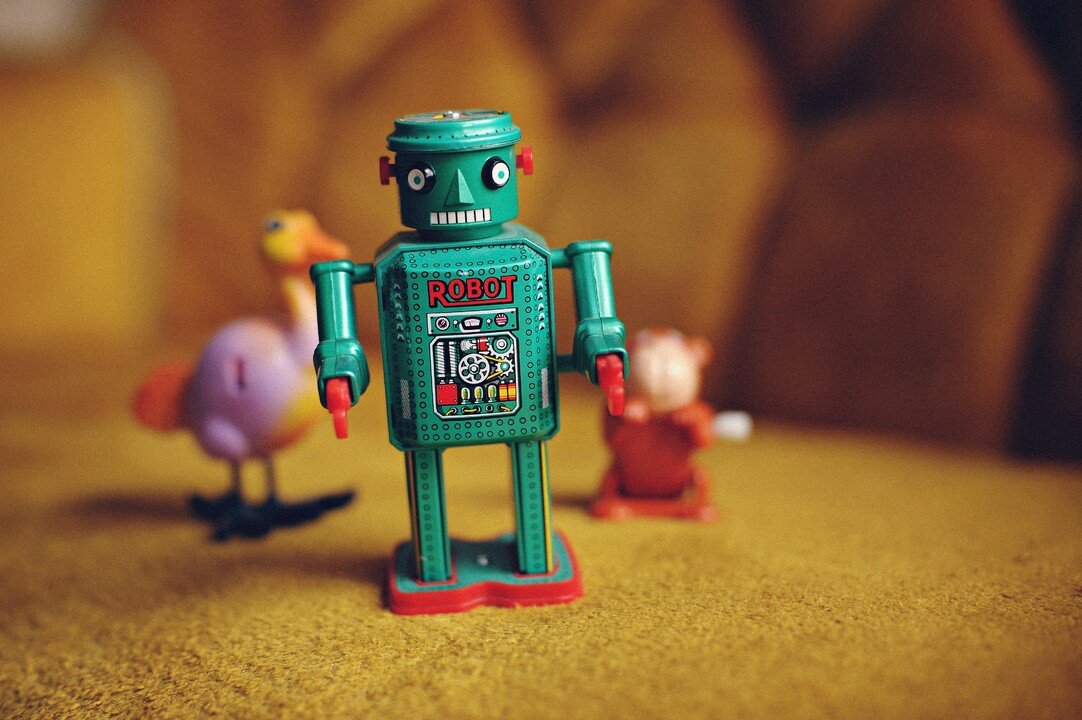
On meeting the first robot of Spring
When do we get signals of the future?
I got such a signal this week. I was travelling for business and, as I walked through the airport terminal, I met a robot. Well, perhaps met is too strong a word. I was looking for the check-in desk and it was cleaning the floor. We weren’t introduced and we didn’t talk to each other. But it was definitely a robot: it was about as high as my waist, it was moving around autonomously, and it had a complicated configuration of wheels and brushes at floor level. I know that vacuuming and cleaning robots have been around for some time, but those little hockey pucks somehow never quite felt worthy of the name robot: they didn’t have the heft and presence of the science fiction robots of my youth. This was a proper robot: big enough that it occupied the same space as humans. I hoped that its collision detection was working properly.