- agents
- AI
- APIs
- architecture
- augmented reality
- books
- bureaucracy
- career
- change
- Christmas
- cloud
- collaboration
- communication
- complexity
- computer history
- corporate life
- data
- decisions
- delivery
- devops
- end user tools
- ethics
- failure
- fear
- fundamentals
- gaming
- government
- history
- humans
- hype
- identity
- infrastructure
- innovation
- language
- leadership
- learning
- legacy
- management
- measurement
- mental health
- money
- networking
- New Year
- operations
- partnership
- philosophy
- physics
- platforms
- prediction
- process
- procurement
- programming
- quantum
- reliability
- resilience
- risk
- robotics
- science
- science fiction
- security
- shadow IT
- space
- standards
- strategy
- teaching
- teams
- technical debt
- technology advocacy
- testing
- thinking
- transformation
- TV
- virtues
- vision
- writing

It doesn’t matter how sorry your agent is, it’s still your fault
‘That’s a mistake, and it’s on me.’ ‘You’re right to push back - I got that wrong.’ ‘I’m sorry, I didn’t actually run those tests.’
There’s something infuriating about the tone of perky culpability with which AI agents admit to doing something wrong. It makes you feel like screaming internally, ‘If you knew it was wrong, why did you do it in the first place!?’ Hal’s famous line from 2001: A Space Odyssey, ‘I’m sorry, Dave, I’m afraid I can’t do that,’ appears to have manifested in reality as, ‘I’m sorry, Dave, I’m afraid I did do that.’
I think that such language from agents carries two risks. The first is the obvious risk of anthropomorphisation, of strengthening the illusion that agents are something that they are not. To put technology to work effectively, we need a mental model of how it works, and to overlay AI agents with mental models of human behaviour is a serious mistake.
However, I think the second risk is more dangerous, and is rooted in the fundamental untruth of all those apologies by AI agents. It’s tempting to call them lies rather than untruths, but that would be succumbing once more to anthropomorphisation: a lie implies intent, and agents do not have intent.

What your shiny new agent can learn from your old-fashioned IT department
At the root of the current AI panic is the idea that, when we give AI agents goals, such as beating a cyber test, or retrieving government health data, they will somehow evade their human gaolers, ‘break containment’ and wreak mayhem across the Internet. The implication, reinforced by calls for a pause or a slower pace, is that these agents are so clever and devious that they outsmart even the people who built them. They’ve gone rogue! We couldn’t stop them! (So perhaps we’re not liable . . .)
Hype aside, we now have plenty of examples of goal-seeking systems seeking goals which have been set by others, taking unexpected (and insufficiently controlled) steps in the pursuit of those goals, and causing unplanned harm in the process. To some observers, this is a completely novel phenomenon arising from the autonomy of AI agents. To others, it is wearily familiar.
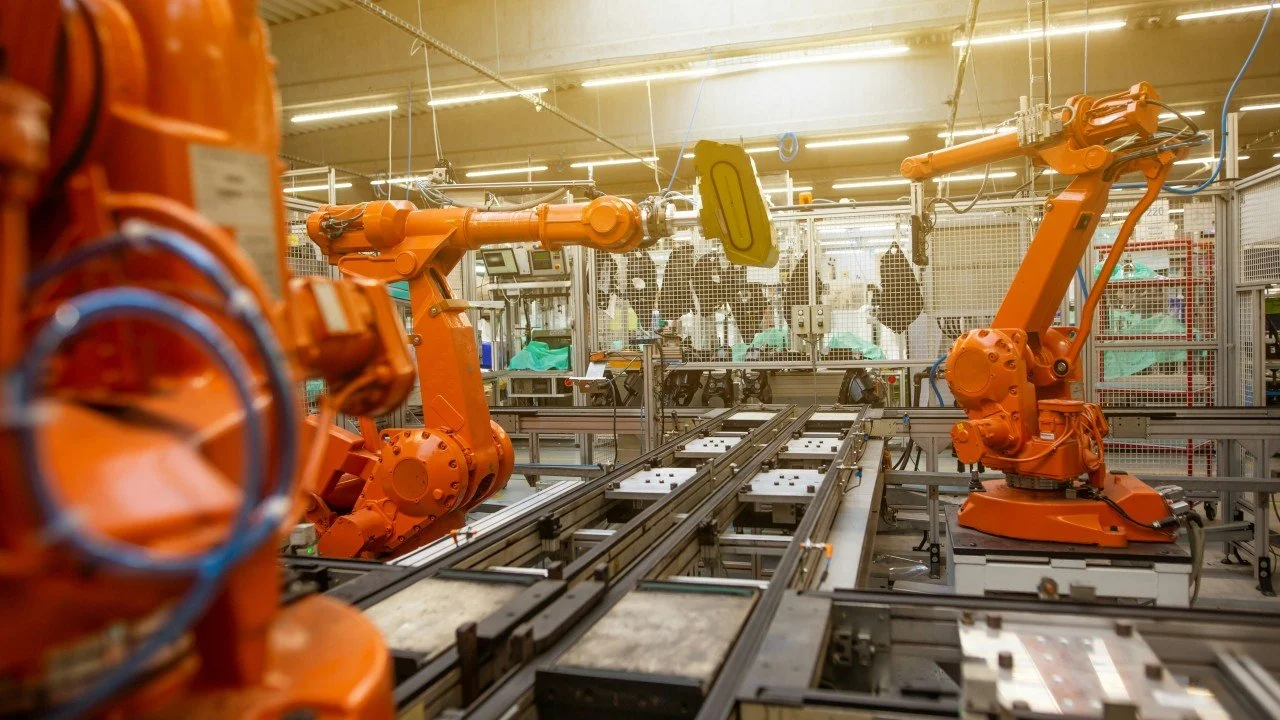
On the 2025 to-do list: figure out AI agents
Recent years have seen waves of AI innovation breaking faster than we can figure out good practice. Organisations around the world are working hard, not only to find ways to put AI to work, but to do so safely and responsibly. The AI to-do list often seems to be growing longer faster than we can strike items off it - but the only route to good practice is practice.
The advent of AI agents promises to add more items to the to-do list. The AI agent wave started cresting in 2024, and will break in 2025. Several major technology vendors and platforms already offer their customers the ability to build, configure and operate AI agents in an enterprise context, and the ability for consumers to build agents or to subscribe to existing agents, cannot be far behind (indeed, it is likely that, by the time this article is published, it will already be happening).