- agents
- AI
- APIs
- architecture
- augmented reality
- books
- bureaucracy
- career
- change
- Christmas
- cloud
- collaboration
- communication
- complexity
- computer history
- corporate life
- data
- decisions
- delivery
- devops
- end user tools
- ethics
- failure
- fear
- fundamentals
- gaming
- government
- history
- humans
- hype
- identity
- infrastructure
- innovation
- language
- leadership
- learning
- legacy
- management
- measurement
- mental health
- money
- networking
- New Year
- operations
- partnership
- philosophy
- physics
- platforms
- prediction
- process
- procurement
- programming
- quantum
- reliability
- resilience
- risk
- robotics
- science
- science fiction
- security
- shadow IT
- space
- standards
- strategy
- teaching
- teams
- technical debt
- technology advocacy
- testing
- thinking
- transformation
- TV
- virtues
- vision
- writing
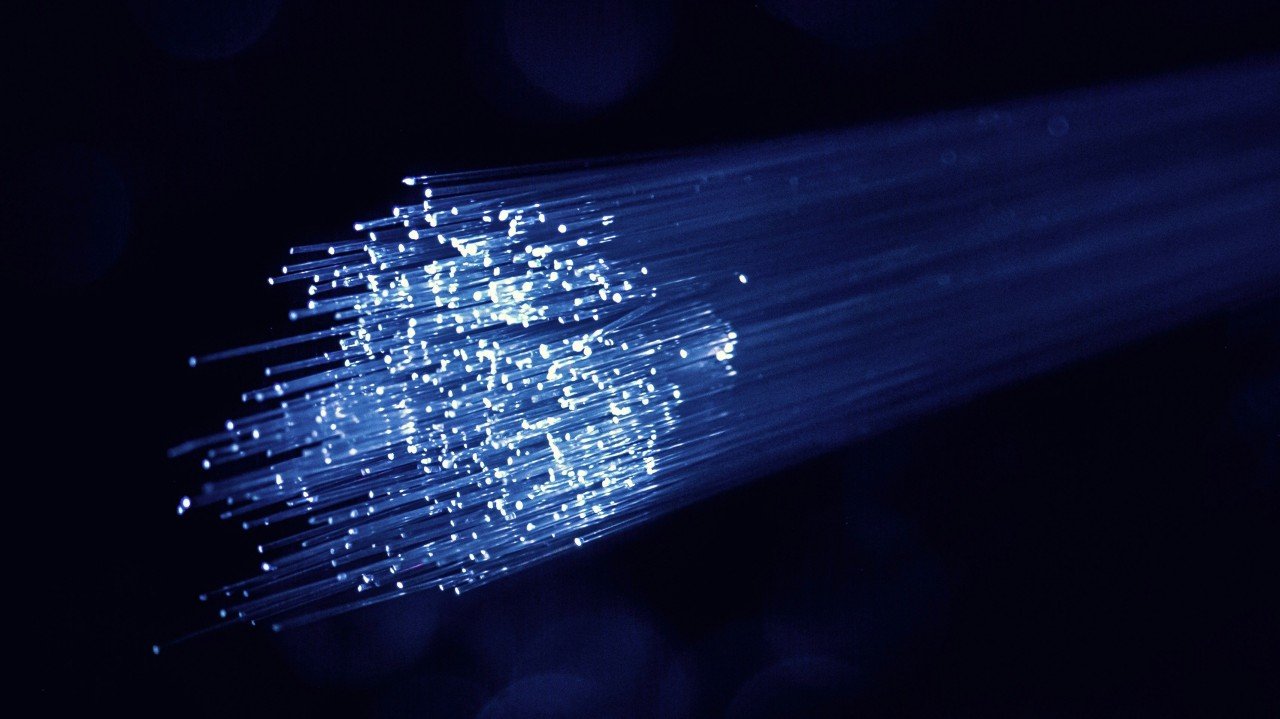
Can we see the future from here?
After the Second World War, it was clear that the telecommunications infrastructure of many countries needed an upgrade. The digital computer had been invented, and was emerging from the lab into the economy. In the USA, the giant early warning and control system, SAGE (Semi-Automated Ground Environment) was being built to cope with the threat of nuclear war, and needed systems and sensors to be connected across the country. The old copper cables of the telephone and telegraph systems were not up to the job.
Fortunately, experts, researchers and engineers had a solution: they would use light to transmit information rather than pushing electrons through copper. However, they did not start with the flexible, glass optical fibres that we are familiar with today: they believed that glass could not be manufactured with sufficient transparency to carry light over long distances and that, even if it could, the photons would escape at the bends.
Shrinking space and time with dots and dashes
In 1844 Samuel Morse did two things that changed the world. He sent the first telegram in the USA, and he sent it using his famous Morse code. (Like many world changing inventions, the degree to which this was All His Own Work and the degree to which he drew from the work of others is disputed - not least by Morse). The telegraph shrank time and space for decades until it was superceded by other communications technologies: the last telegram was sent in the USA around 2006.
It may seem that the telegraph and Morse code are antiquated relics now, but I think that they help us understand an important part of The Round Trip question: networking. (This is part of a series of articles in which I attempt to answer, in non-technical terms, what happens when you press send on your mobile banking app. Or, more broadly: what does it mean to live in a world run by computers and made out of software?)
I must admit that I am not an expert in networking, and find the many network components that lie between the phone in my hand and the computer in my bank complex and difficult to understand and describe. I am hoping that simpler technology from another age can help me.