- agents
- AI
- APIs
- architecture
- augmented reality
- books
- bureaucracy
- career
- change
- Christmas
- cloud
- collaboration
- communication
- complexity
- computer history
- corporate life
- data
- decisions
- delivery
- devops
- end user tools
- ethics
- failure
- fear
- fundamentals
- gaming
- government
- history
- humans
- hype
- identity
- infrastructure
- innovation
- language
- leadership
- learning
- legacy
- management
- measurement
- mental health
- money
- networking
- New Year
- operations
- partnership
- philosophy
- physics
- platforms
- prediction
- process
- procurement
- programming
- quantum
- reliability
- resilience
- risk
- robotics
- science
- science fiction
- security
- shadow IT
- space
- standards
- strategy
- teaching
- teams
- technical debt
- technology advocacy
- testing
- thinking
- transformation
- TV
- virtues
- vision
- writing
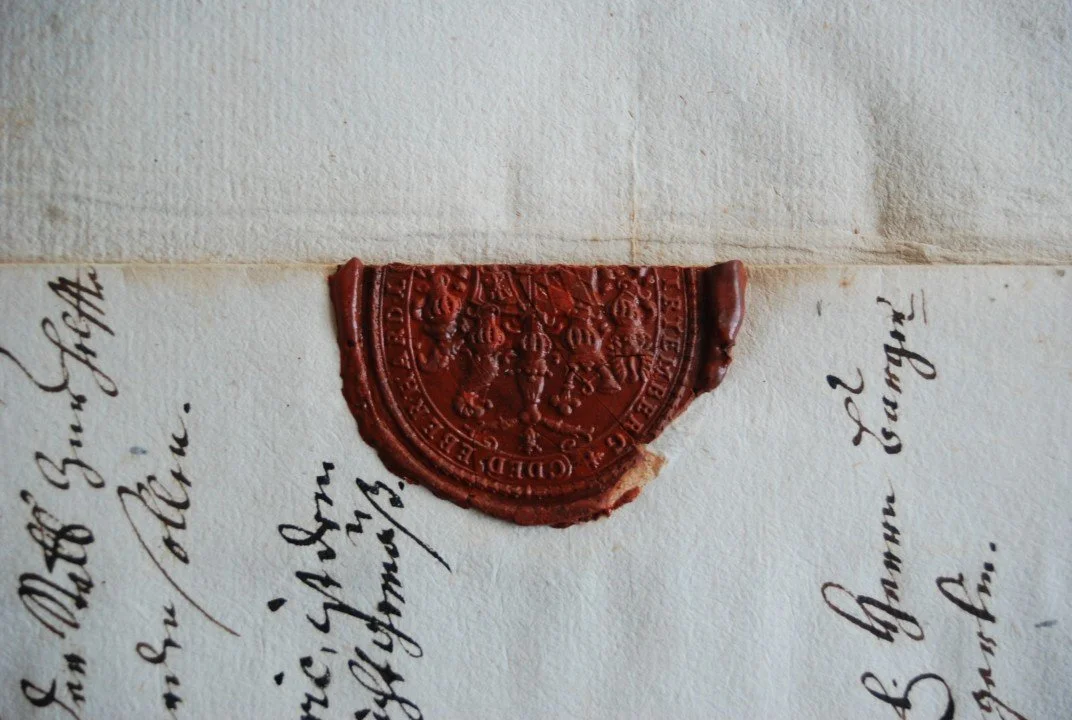
A balance between security, convenience . . . and legacy
We talk about the Stone Age, the Bronze Age and the Iron Age, and sometimes the Digital or Information Age. Perhaps one day we will talk about the Paper Age: the time when the world was run on systems and processes and information, but those systems and processes were manual, and the information was stored on paper.
Back in the Paper age, the way you proved your identity to your bank, whether to make a deposit, withdrawal or payment, was by signing a piece of paper: a paying in slip, a cheque or a letter. Today, that seems like an incredibly primitive and insecure method of authentication. Cheque books can be stolen, signatures can be easily forged, and anyone can write a letter. And, of course, banks were subject to fraud during the Paper age, to the extent that there are many slang terms for writing bad cheques: paper hanging, cheque kiting, bouncing cheques, hot cheques and so on. But many of these forms of fraud were exploiting the same feature that gave the banking system some measure of protection: it was slow. Cheques were physically transported to central sorting facilities where they were checked, reconciled and cleared. Letters could be queried. Signatures could be manually checked.
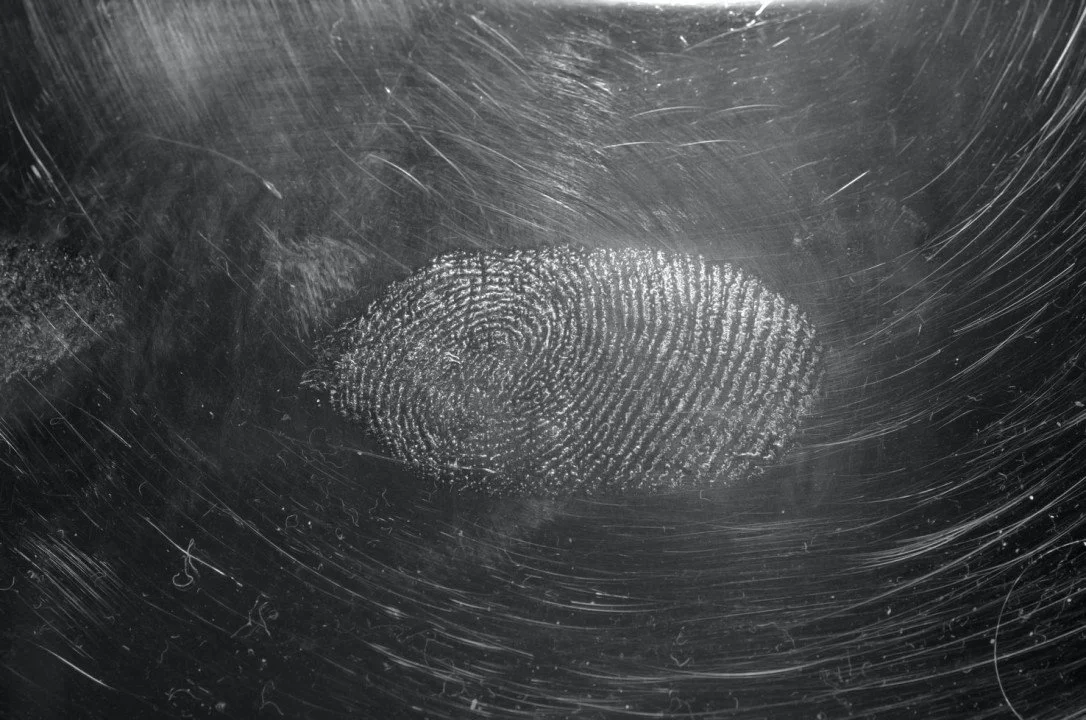
A question of identity
It happens in the blink of an eye. You press the tip of your finger against your phone. A capacitative sensor determines the pattern of ridges and valleys in your fingeprint . An algorithm matches the pattern against a digital representation stored in a secure enclave on your mobile device. If it finds a match, it unlocks your phone (or does whatever other task you were attempting to authorise).
There are other means of authentication, such as facial recognition, PIN codes and passwords, but I think that fingerprint recognition is particularly interesting because it illustrates important differences between the ways that humans and machines and systems deal with identity. (By ‘systems’ I mean all formal, process driven methods of interaction - not just those implemented in software on computers.)
When humans think about identity we think about an individual, a person. When we say that we know someone, we mean that we know many things about them: not just their name and their profession, but aspects of their behaviour and personality. It is remarkable how quickly we form an impression of a person: even if we have only shaken hands and shared a meeting room with someone for an hour or two, we come away with some idea of what they are like. (Of course, our impressions are also subject to bias and preconceptions: the speed with which we form ideas about others is not always a good thing.) When we encounter that person again, we don’t typically feel that they need to prove their identity. We recognise them.