- agents
- AI
- APIs
- architecture
- augmented reality
- books
- bureaucracy
- career
- change
- Christmas
- cloud
- collaboration
- communication
- complexity
- computer history
- corporate life
- data
- decisions
- delivery
- devops
- end user tools
- ethics
- failure
- fear
- fundamentals
- gaming
- government
- history
- humans
- hype
- identity
- infrastructure
- innovation
- language
- leadership
- learning
- legacy
- management
- measurement
- mental health
- money
- networking
- New Year
- operations
- partnership
- philosophy
- physics
- platforms
- prediction
- process
- procurement
- programming
- quantum
- reliability
- resilience
- risk
- robotics
- science
- science fiction
- security
- shadow IT
- space
- standards
- strategy
- teaching
- teams
- technical debt
- technology advocacy
- testing
- thinking
- transformation
- TV
- virtues
- vision
- writing
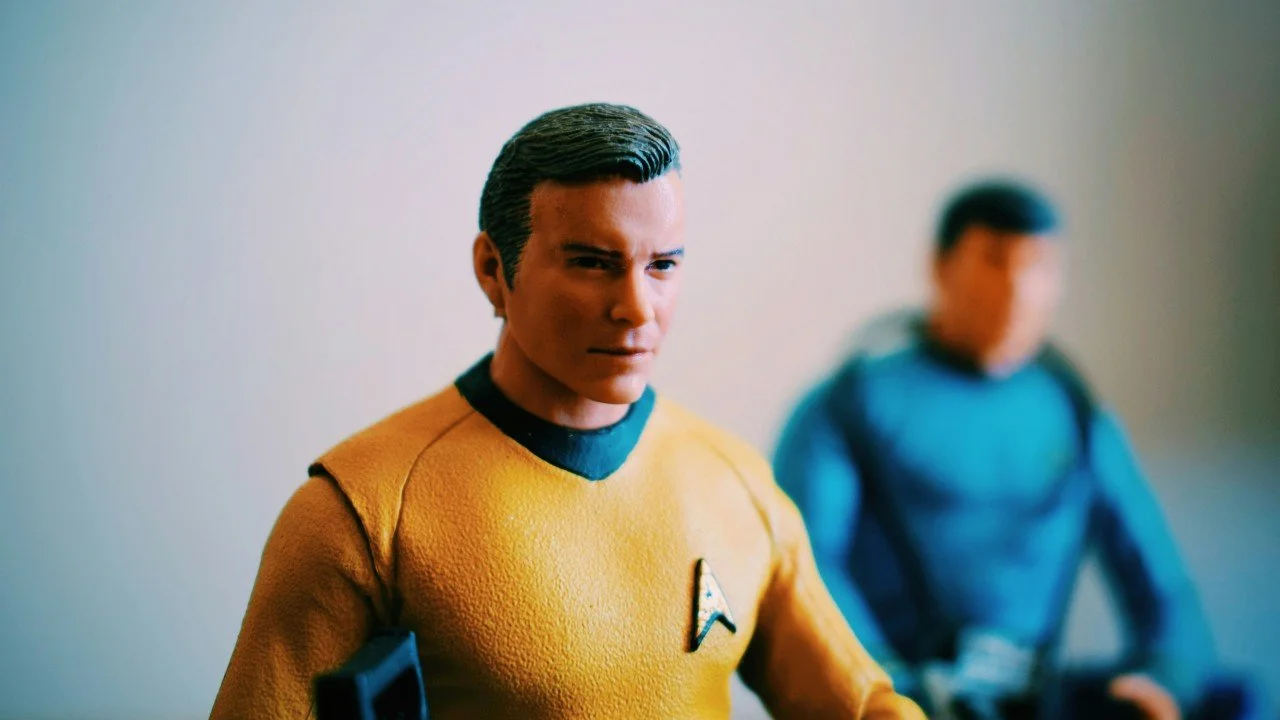
Uncertainty: the final frontier
When our schedules and streaming services are full of Star Trek content (at the last count, thirteen series and fourteen films), it seems hard to remember that the series was once a lonely, experimental long shot: the first regular science fiction TV series with recurring characters and themes, squarely aimed at adults.
Prompted by watching the (excellent) series Strange New Worlds, I tracked down a print copy of the book The Making of Star Trek, published in 1968, between the second and third season of the original series, when it was on the brink of cancellation. If you can put aside some of the 1960s-era attitudes (despite the generally progressive tone of Star Trek, there are some paragraphs that wouldn’t make it into a 2026 edition), it’s a fascinating overview of television production at the time, and of the challenges of getting studios and networks to try something new (and expensive).

How augmented is your reality?
In the Battlestar Galactica reboot series, the Cylon character Brother Cavil laments that, when he saw a supernova, ‘you know how I perceived one of the most glorious events in the universe? With these ridiculous gelatinous orbs in my skull! With eyes designed to perceive only a tiny fraction of the EM spectrum. With ears designed only to hear vibrations in the air . . .’ He goes on to demand, ‘I want to see gamma rays! I want to hear X-rays! And I want to - I want to smell dark matter!’ In the story, Cavil is a synthetic being but, rather than the gleaming robot form of the Cylons from the original film and TV series, he inhabits an organic human body, subject to humanity’s frailties and constraints.
Is there a human shaped hole in your technology plans?
If you’ve been watching The Last of Us then one of the things you will have noticed (alongside the great acting and story) is the eerie feeling of a human world with no humans: an empty world except for nature, a few survivors and, of course, the infected. I sometimes get that same eerie feeling when looking at plans for technology change: where are all the humans?
This is strange, because humans have been at the heart of new movements in the ways we build and run technology for decades.
The Agile Manifesto was published in 2001. Almost all of its 73 words (including the title) concern people, behaviour and communication rather than technology and tools. (Indeed, people and behaviour over technology and tools could almost be a line from the Agile Manifesto.)
The first DevOps days conference was held in 2009. You can still go and read the program (although if you try to follow the links to other sites in the reactions section, you get a great demonstration of link rot). While a lot of the agenda was clearly quite technical, much of it was focused on people, behaviours and communication. Do user stories really help express non-functional requirements? What does automation mean for sysadmins and development teams? How can practices followed by software developers be applied to operations?
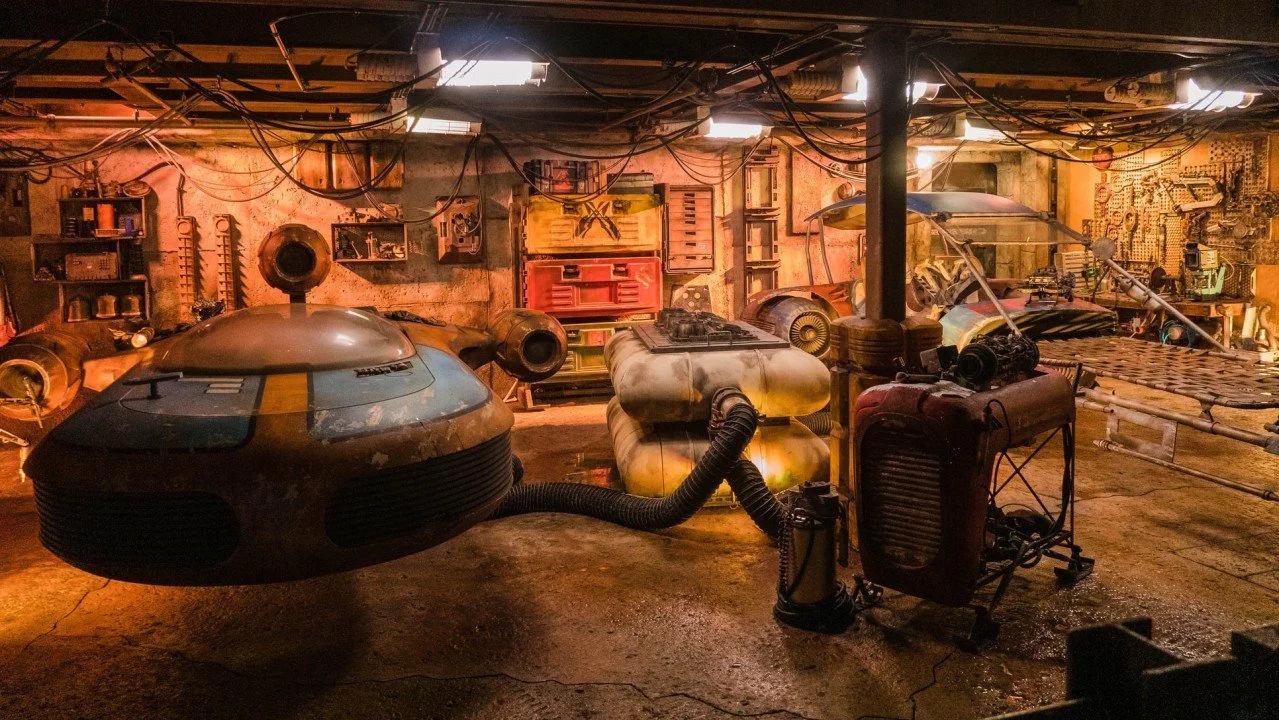
Planning for the future: taking the science fictional view
In 1978, Isaac Asimov wrote in his essay My Own View, ‘No sensible decision can be made any longer without taking into account not only the world as it is, but the world as it will be. This, in turn, means that our statesmen, our businessmen, our every man must take on a science fictional way of thinking.’ Reading this in 2021, this quote is both relevant and an example of the short term thinking it warns against: apparently, taking a science fictional view in 1978 didn’t include a world run by anybody but men.
The circumstances in which I came across this quote further illustrated the importance of taking on a science fictional view. I was reading a book on AI ethics, addressing the implications of living in a world where artificial intelligence is already woven into many aspects of our lives, where we contemplate giving AI agents responsibility for life and death decisions in industries such as transport, and where there seems a strong chance that, within our lifetimes, AI agents will exhibit properties which lead us to hard questions about rights and consciousness. Moreover, I was reading the book on a device that fit in the palm of my hand, connected to a global network that gave me access to the world’s knowledge - as well as playing videos and letting me talk to people. A long way from 1978, and not just in social attitudes.