Planning for the future: taking the science fictional view
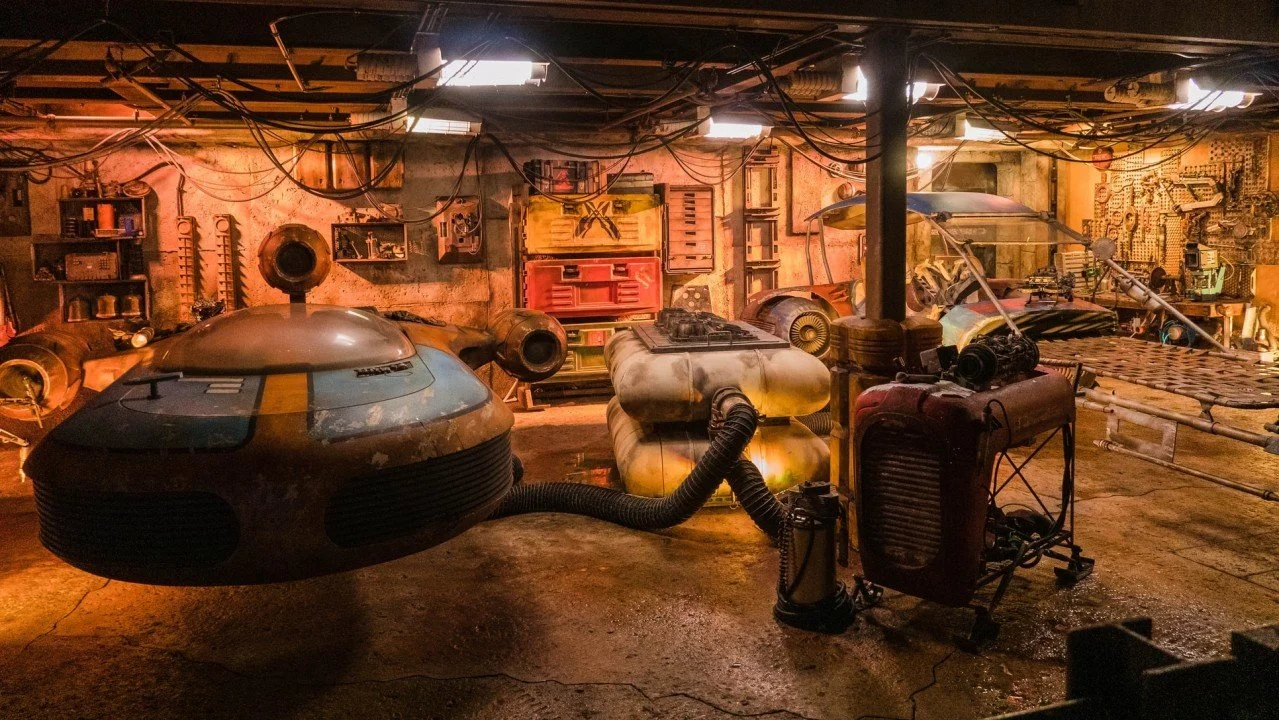
In 1978, Isaac Asimov wrote in his essay My Own View, ‘No sensible decision can be made any longer without taking into account not only the world as it is, but the world as it will be. This, in turn, means that our statesmen, our businessmen, our every man must take on a science fictional way of thinking.’ Reading this in 2021, this quote is both relevant and an example of the short term thinking it warns against: apparently, taking a science fictional view in 1978 didn’t include a world run by anybody but men.
The circumstances in which I came across this quote further illustrated the importance of taking on a science fictional view. I was reading a book on AI ethics, addressing the implications of living in a world where artificial intelligence is already woven into many aspects of our lives, where we contemplate giving AI agents responsibility for life and death decisions in industries such as transport, and where there seems a strong chance that, within our lifetimes, AI agents will exhibit properties which lead us to hard questions about rights and consciousness. Moreover, I was reading the book on a device that fit in the palm of my hand, connected to a global network that gave me access to the world’s knowledge - as well as playing videos and letting me talk to people. A long way from 1978, and not just in social attitudes.
It seems that our lives remind us to take the science fictional view every day, but what does this mean for those of us working in enterprise technology? I think that there are two lessons: one that we know very well, and one that we need to keep learning.
The lesson we know well: continuous learning
Anybody working in enterprise technology already feels the pressure of keeping knowledge and skills up to date. Taking a science fictional view may not change that, but may help change the way we think about learning. Rather than thinking about our learning load as an overhead, as running to keep up, perhaps we should think of ourselves as one of those science fiction characters who has been catapulted into the future, through suspended animation, a lab experiment gone wrong, or a time machine. Now that we find ourselves in the future, we have better learn to survive here. (And we should recognise that we are all a version of one of these characters: we are all time travelers, it’s just that we travel at the rate of one day per day.)
The lesson we need to keep learning: imagination
It might seem that people working in enterprise technology would naturally be imaginative. After all, we often get to work with technology that has only just been released - or to build new solutions which didn’t exist before. Yet, like any job, it is easy to let our thinking be limited by the constraints of today. We incur technical debt when we take short term decisions, and we take short term decisions all the time - sometimes so short term as to avoid a difficult conversation at a weekly progress meeting (‘We went live yesterday, so that milestone’s green now. We had to make some compromises, but the plan is back on track.’).
Every short term decision risks being a failure of imagination: we risk failing to imagine the consequences of our decision, or of making a different choice. And if we take the science fictional view, then every decision is a short term decision. This does not mean that we can or should always make different choices: after all, we need to deliver solutions today, and we have to work within realistic design constraints. But that should not stop us from imagining the world in which those constraints don’t exist. After all, code persists, and, like us, will travel into the future. What tools should we give it today to help it survive tomorrow?
In a world where science fiction comes true every day, solutions built without imagination age fast: technical debt carries a steeply rising interest rate. Consciously exercising our imaginations and taking the science fictional view is fun - and may help us avoid projecting today’s constraints into tomorrow.
