- agents
- AI
- APIs
- architecture
- augmented reality
- books
- bureaucracy
- career
- change
- Christmas
- cloud
- collaboration
- communication
- complexity
- computer history
- corporate life
- data
- decisions
- delivery
- devops
- end user tools
- ethics
- failure
- fear
- fundamentals
- gaming
- government
- history
- humans
- hype
- identity
- infrastructure
- innovation
- language
- leadership
- learning
- legacy
- management
- measurement
- mental health
- money
- networking
- New Year
- operations
- partnership
- philosophy
- physics
- platforms
- prediction
- process
- procurement
- programming
- quantum
- reliability
- resilience
- risk
- robotics
- science
- science fiction
- security
- shadow IT
- space
- standards
- strategy
- teaching
- teams
- technical debt
- technology advocacy
- testing
- thinking
- transformation
- TV
- virtues
- vision
- writing

This not a negotiation: beyond win-win?
When is a negotiation not a negotiation? And can we do even better than win-win?
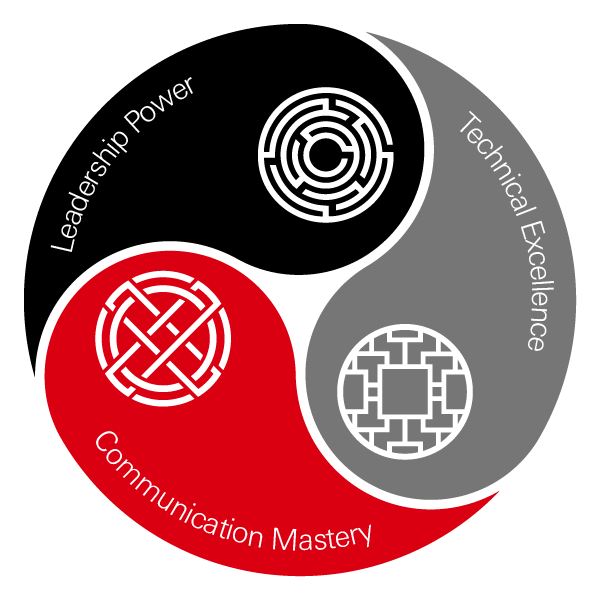
In the HSBC Architecture team, we aspire to the three dimensions of architecture excellence we call Zang Jing Ge: technical excellence, communication mastery and leadership power. In a recent article, our Head of API Integration and Microservices, Marco Tedone, argued that we need a fourth dimension: negotiating skills, or Minghzhi De, meaning ‘wisdom’.
I agree that all architects need good negotiating skills, and believe that we can fit them in the centre of the Zang Jing Ge model: good negotiation needs technical excellence (knowing what you want), communication mastery (getting the other party to understand your position and goals) and leadership excellence (leading everyone, if possible, to a win-win outcome).
Zang Jing Ge part 2: 13 leadership behaviours for architects
Figuring out what makes a good architect is hard: figuring out what makes a good architecture leader is even harder.
In HSBC Technology we expect all architects to lead the thinking of others. But we also expect some architects to formally occupy leadership roles: to build and lead architecture teams, and to occupy senior, strategic positions in the organisation. These are our architecture leaders, and we expect a lot of them.
In my last blog post, Zang Jing Ge: the Way of the Architect, I shared some thoughts about the three dimensions that make a good architect: technical excellence; leadership power; and communication mastery.
In my team, we’ve also tried to define the key behaviours of an architecture leader, and have come with a list of 13 things. This list is a lot messier than the three dimensions of Zang Jing Ge. Most architects like things to be organised: to have some kind of system and schema. But we couldn’t squeeze these ideas into a tidy conceptual structure (that’s why there’s 13 of them): they are just the things that we expect of each other, and others expect of us.
Zang Jing Ge: the way of the architect
The job of IT architect is a strange one.
Many people don’t really know what IT architects do (I’m pretty sure that I have never given a convincing account of my job to my non-technical friends and family).
Even fewer people understand what makes one architect better than another.
But every team knows when they’ve got a good one: problems seem to get solved quicker, decisions seem to get made faster, and the team has someone to turn to when they have questions like ‘How in the world does that work?’ or ‘How on Earth are we going to get it to do that?’
In the HSBC Technology team we believe three things about architects.
First, we believe that, whatever architects do, and whatever makes them great, we need more of them.
Second, we believe that we have figured out at least some of the features of great architects.
And third, we believe that these features can be learned.