- agents
- AI
- APIs
- architecture
- augmented reality
- books
- bureaucracy
- career
- change
- Christmas
- cloud
- collaboration
- communication
- complexity
- computer history
- corporate life
- data
- decisions
- delivery
- devops
- end user tools
- ethics
- failure
- fear
- fundamentals
- gaming
- government
- history
- humans
- hype
- identity
- infrastructure
- innovation
- language
- leadership
- learning
- legacy
- management
- measurement
- mental health
- money
- networking
- New Year
- operations
- partnership
- philosophy
- physics
- platforms
- prediction
- process
- procurement
- programming
- quantum
- reliability
- resilience
- risk
- robotics
- science
- science fiction
- security
- shadow IT
- space
- standards
- strategy
- teaching
- teams
- technical debt
- technology advocacy
- testing
- thinking
- transformation
- TV
- virtues
- vision
- writing

Why have FO when there’s no MO?
If you are a business leader in 2026 trying to deal with AI, you are surrounded by fear on all sides. Analysts, investors, vendors and the media are all telling you that if you don't invest in AI, you should fear being left behind. At the same time, lawyers, risk professionals, privacy advocates and employee representatives are telling you you should fear AI harming your staff, your customers and your company's reputation.
Fear is rarely helpful in an enterprise setting. I once knew a large corporation which was desperate to move to cloud because they feared that their aging data centres could fail at any moment. But, after spending many millions to get their cloud environments ready, they wouldn't move their data because they feared security breaches. Fear drove double cost and double complexity.

Uncertainty: the final frontier
When our schedules and streaming services are full of Star Trek content (at the last count, thirteen series and fourteen films), it seems hard to remember that the series was once a lonely, experimental long shot: the first regular science fiction TV series with recurring characters and themes, squarely aimed at adults.
Prompted by watching the (excellent) series Strange New Worlds, I tracked down a print copy of the book The Making of Star Trek, published in 1968, between the second and third season of the original series, when it was on the brink of cancellation. If you can put aside some of the 1960s-era attitudes (despite the generally progressive tone of Star Trek, there are some paragraphs that wouldn’t make it into a 2026 edition), it’s a fascinating overview of television production at the time, and of the challenges of getting studios and networks to try something new (and expensive).

Can we see the future from here?
After the Second World War, it was clear that the telecommunications infrastructure of many countries needed an upgrade. The digital computer had been invented, and was emerging from the lab into the economy. In the USA, the giant early warning and control system, SAGE (Semi-Automated Ground Environment) was being built to cope with the threat of nuclear war, and needed systems and sensors to be connected across the country. The old copper cables of the telephone and telegraph systems were not up to the job.
Fortunately, experts, researchers and engineers had a solution: they would use light to transmit information rather than pushing electrons through copper. However, they did not start with the flexible, glass optical fibres that we are familiar with today: they believed that glass could not be manufactured with sufficient transparency to carry light over long distances and that, even if it could, the photons would escape at the bends.
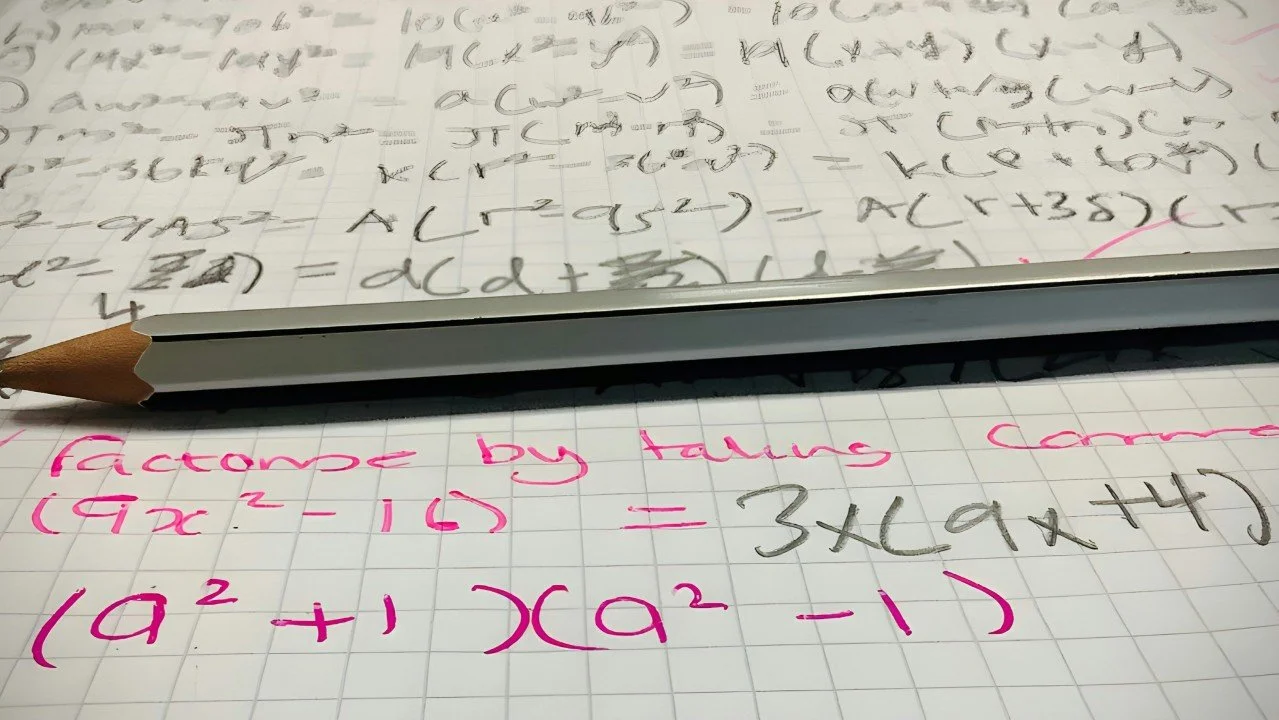
Lessons from forty years of Excel: if you give people tools, expect them to be used
One of the anniversaries I missed last year was that of Microsoft Excel, which turned forty in August.
I think that anybody who has worked in enterprise technology over any part of those four decades will have mixed feelings about Excel. On one hand, they will be grateful for a flexible tool which almost everybody has access to, most people know how to use, and which can be used for modelling and forecasting without the need to run big projects or write complex programmes. On the other hand, they will remember the times when a major upgrade was delayed because of a set of fragile, convoluted macros, when a business critical operation depended on a spreadsheet which only one person understood, or when they were asked to ‘just’ take the logic embedded in a spreadsheet and make it into a system that worked for the whole company.

A few phrases to help resist AI illusions
‘It can’t hurt you: it’s not real!’
You might hear those words from the hero of a horror, science fiction or fantasy film. They could be walking through a dream world, subject to a hallucinogenic drug, or under the spell of a sorcerer. They know that the things that they are seeing are not real, and that all they have to do is to try to ignore what they think they can see and hear. Telling themselves that what they are experiencing is not real is a guard against fear, against stepping off the path, or, worst of all, the temptation to talk back to the illusions.
Dealing with current forms of AI can feel like this. Not just because AI is surrounded by hype, marketing, inflated expectations and a big dose of FOMO. And not just because AI can be used to produce fake videos, fake images and fake words.