It’s a weird time to be a technologist
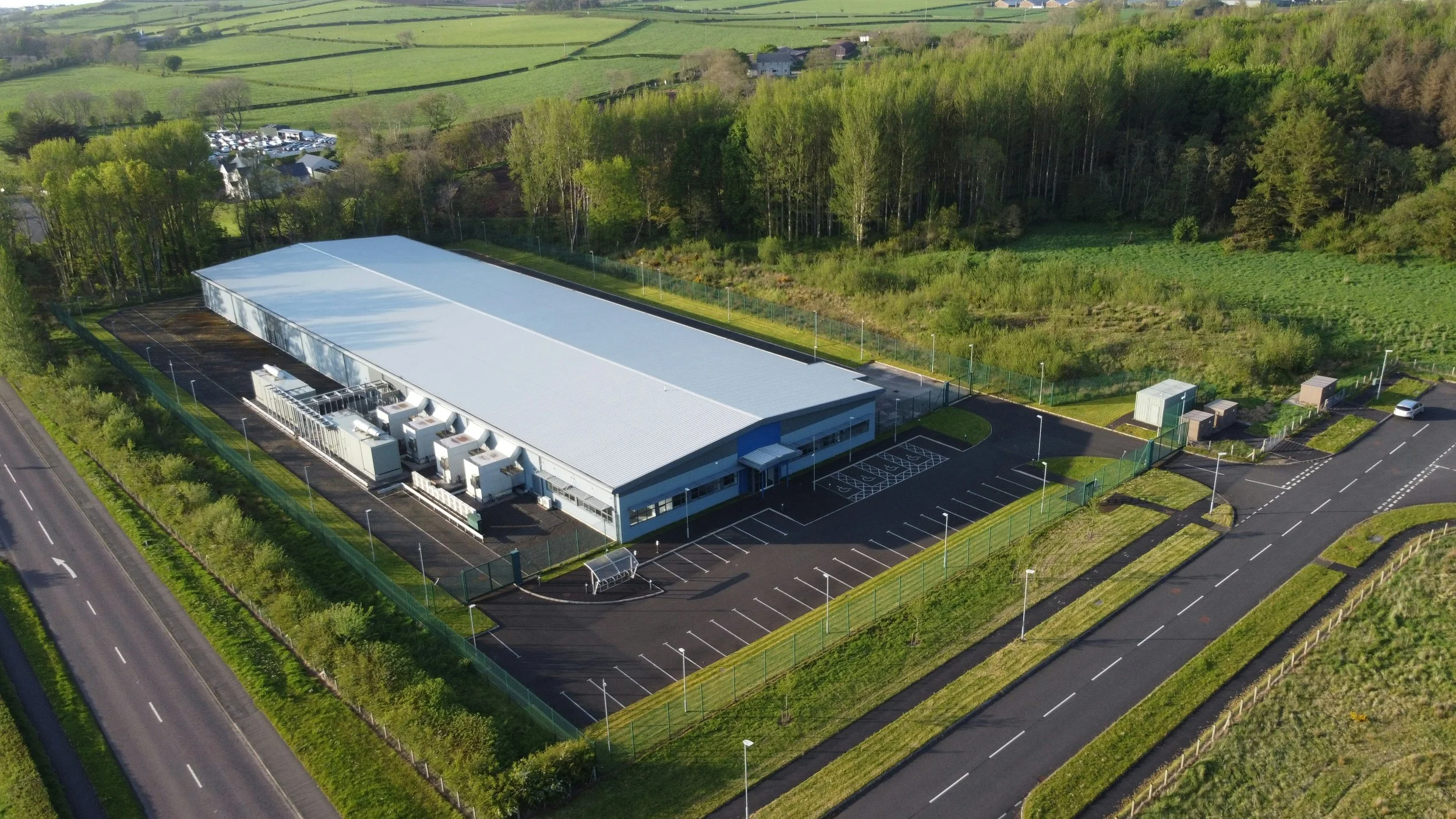
Photo Credit: Geoffrey Moffett via Unsplash
I never imagined that it would be data centres.
I’ve never worked as a data centre operator, but I have nevertheless spent more of my life than I planned to inside data centres: assessing whether they would meet the needs of the company I was working for, asking questions about capacity and resilience, planning migrations and exits and so on. They’re interesting if you like that kind of thing: if you care about uninterruptible power supplies, about diversity of network and electrical connections, about rack density, heat flow, cooling and fire suppressant systems. That is, they’re interesting if you have a certain type of geeky, specialist, engineering mentality, and particularly if you like thinking about physical constraints.
But for most people, especially business executives, data centres haven’t just been boring: they have been invisible. They know that they are out there somewhere, but they rely on their IT departments to worry about them. For example, I once asked a CEO of a large global organisation how many gallons of diesel he owned, not because I expected him to know the answer, but because I wanted to demonstrate that technology exists in the real world. I was referring to the reservoirs that would run the generators in the event of a failure in the power supply: I suspect he thought I was referring to a commodities trade, or the fuel for the executive limos.
Now, suddenly, data centres are a hot political and social issue. Just this morning, through casual listening and browsing, I have heard or seen reporting on data centres in two podcasts and two national news outlets, and these aren’t specialist, technical channels.
And it’s not just data centres. In recent weeks the news has been full of statements about AI safety, rogue agents, cyber security, the need for an AI pause, the valuation of infrastructure companies and more.
This is a weird experience for enterprise technologists, because the normal state for us is to wish that people were more interested in our field, but to recognise that, mostly, they just don’t care. Or, when they seem to care, they care only about the surface of technology, such as mobile devices, apps and the experience of social media, rather than the underlying software and infrastructure. When that has been your professional life for many years, it is weird to hear people talking openly about data centre facilities, model weights and chip supply chains.
I can’t speak for everybody working in enterprise technology, but I suspect that they have a similar reaction to me. It comes in four stages.
First, there is that initial feeling of weirdness: wait, are senior politicians, public figures and activists really talking about data centres? Those big concrete boxes full of machines?
Second, there are feelings of excitement and vindication: does this mean that people are actually interested in what I do? Does it mean that when I ask my CEO for money to renovate our data hall or, even better, to migrate everything out of it, they will actually listen?
Third, there are feelings of realisation and frustration: all these people talking confidently about data centres, model safety, agents and GPUs don’t actually know what any of those things are, but they seem to be trying to make decisions as if they do.
And fourth, there are feelings of familiar invisibility: hey, we can explain what a data centre is, how long it takes to build and how many people it takes to run it; we can explain what software safety and software quality means, why AI systems are sometimes different from traditional software and sometimes exactly the same; we can explain how cyber security works and whether we should be more afraid of swarms of AI agents or the organised gangs of cyber criminals we have been fighting for years. Hey! Over here! We know what we’re talking about!
While the current version of this phenomenon seems extreme and intense, it is not unfamiliar. Since its creation, the computing industry has been subject to a tendency to hype its promise and its threat, and to an unwillingness for most people to engage with the detail. Depending on which point you picked over the last fifty years, you might be told that you were falling behind if you hadn’t computerised your payroll, bought the biggest mainframe, rolled out PCs, established a presence on the Internet, launched your mobile app or filled up your data lake. And then you would be told about the risks and dangers of these technologies: the need for backups, disaster recovery, anti-virus, firewalls, two-factor authentication or data management. These opportunities, risks and dangers were all real, but they were all surrounded by layers of mystification, excitement and panic.
Fortunately, these waves of technology also taught us the best response: patient, professional, persistent explanation, which treats the audience as smart and curious but unfamiliar with our field, while maintaining integrity, honesty and empathy. Exercising this response can be hard, frustrating, and may be completely unsuccessful. But it is better than despair, deference or surrender to hype, especially when we realise that no-one else is going to turn up to make things clear. For responsible enterprise technologists, explanation is as much of the job as execution.
In the end, I think my reaction to this moment of intense weirdness is to welcome the interest in things that I never thought people would be interested in, to engage with the detail in order to demystify topics I don’t understand, and reflect that, once again, it is time for enterprise technologists to do their jobs.
