That’s why they call it the future
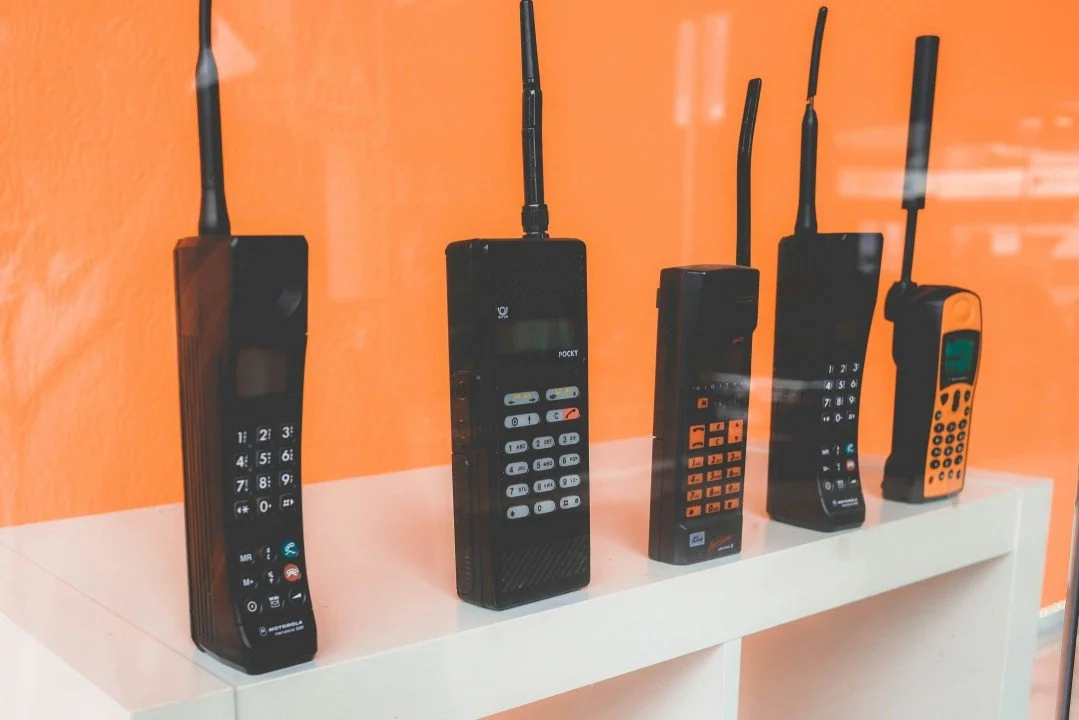
Photo credit: Nastya Dulhiier on Unsplash
What does the future look like, seen from the past?
Recently, I’ve been doing a lot of reading about the early days of the public Internet, and revisited the book ‘What Just Happened?’ by James Gleick. It’s a collection of essays about technology, written through the 90s and published in 2002. It was already a time capsule when it was published, and is even more so from the perspective of 2024. For anyone who lived through those times, it’s a mix of nostalgia (dial-up modems; Usenet; multimedia content on CD-ROM), prescience (GPS in your pocket; personalised feeds; digitisation of money) and emerging questions of behaviour and social impact (privacy; etiquette; trust).
The themes I found most interesting, though, were optimism and frustration.
It is instructive, at a time of intense excitement about new technology, to go back and remember how similarly intense the excitement about the Internet was in the 90s. New companies were being born and either failing or growing to global prominence at a remarkable rate. People were figuring out what they could do online - and how to make it possible to do more. New business practices were coming into being, and companies were discovering what would work, what wouldn’t work - and, occasionally, what was right. Commercial battles were being fought over browsers which don’t exist any more. There was a feeling that this changes everything - the same feeling that people have today about new technology, particularly Artificial Intelligence.
And that feeling was correct - the Internet has changed everything, just not quite as quickly as people thought in the 90s. In his introduction, Gleick quotes the advice of Jack Rosenthal, who said, ‘I have seen the future, and it’s still in the future.’
Throughout the book, there is a sense of enormous promise - but fulfilment of that promise lies on the other side of clunky interfaces, error messages, bugs and hype. If you used the Internet in the 90s, especially in the days before everything was a web page accessed through a browser, you probably remember the joy in little things (‘Look at this! I can look at an image of a book in the Vatican Library! And check the water temperature of a coffee machine in San Jose!’), and also remember that much of that joy came from getting anything to work at all. You had to run the gauntlet of booting your machine without running out of memory, loading an early version of Windows without crashing, making a successful connection over a screaming modem, and sustaining that connection while your file downloaded. Just like everything else in those days, the arrival of the future seemed stuck behind a slow and unreliable progress bar.
Much of the future we imagined then has since arrived. Browsing the Internet is seamless, pervasive and ubiquitous (although the big questions of privacy, etiquette and trust seem as pressing as before). Much of the promise that Gleick described has been fulfilled: we have GPS in our pockets, those pockets don’t contain cash, and the devices that we use to navigate and pay are full of content personalised for us (whether we want it or not).
But there is always more future out there, and, just like in the 90s, are obstacles to overcome and work to do before we can realise its promise. We have got better at user experience (and the users of technology are no longer enthusiasts prepared to tinker with configuration files and manage memory), so those obstacles may not manifest quite so frequently as conspicuous bugs and breaks. However, if we consider a new technology such as Generative AI, it’s clear that using it today means expending extra effort to make it safe and reliable - access through a public prompt is not the same as a scaled, safe, enterprise grade solution.
I believe that it is part of the job of professional technologists to overcome the friction at the boundary between today and tomorrow. When we do our jobs well, we help the future become the present: inevitably, whenever it does so, it becomes a little less exciting (it’s now a mundane part of our everyday lives) but also a lot less frustrating (it’s mundane because it works).
I have seen the future and it’s still in the future - that’s why they call it the future.
