Riding the rollercoaster of reaction and reality
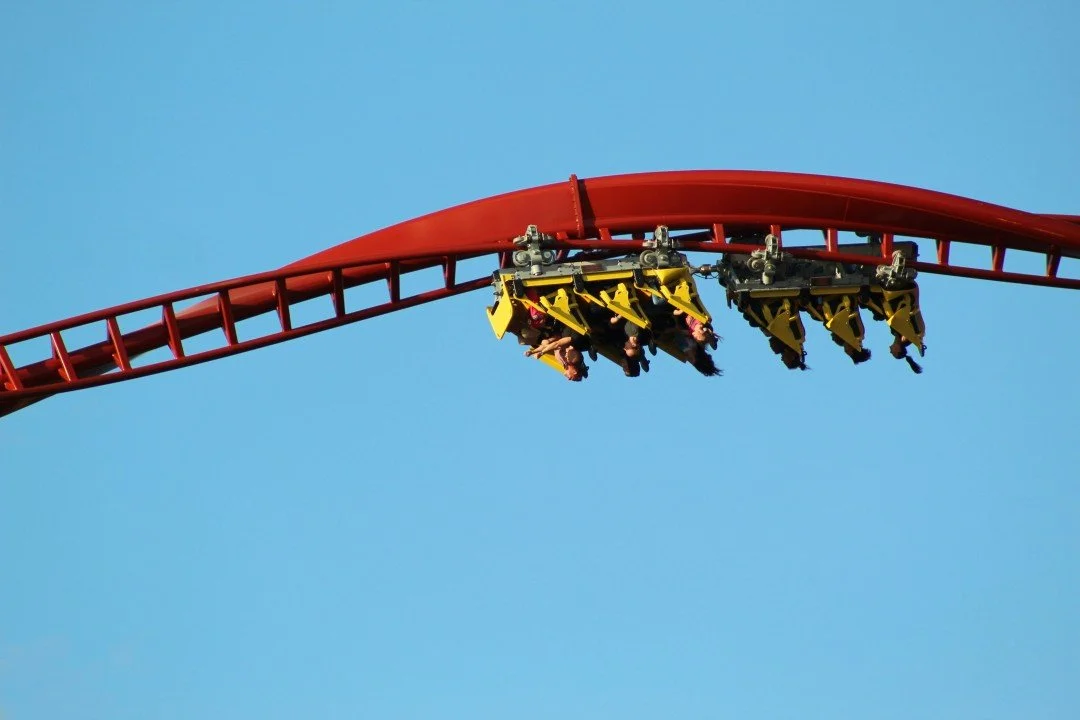
Photo credit: Anne Nygard on Unsplash
Rollercoasters are strange.
They are arrangements of reality which cause sensations of acceleration and falling which would normally signal extreme peril - but in a safe environment. They are one of many examples of how humans use aspects of our psychology and physiology to create excitement, just like thrillers, horror films, ski-ing and skydiving. It seems that humans enjoy emulations of danger in situations which we control.
Someone observing the enterprise technology industry might conclude that it is subject to the same drives, especially when we ride the technology hype cycle, which looks and feels like an especially precipitous rollercoaster.
We might argue about the validity of the hype cycle, and ask whether all technologies truly go through phases of inflated expectations, disappointment and productivity. Some technologies defy this cycle, and quietly become essential parts of our lives (consider the accelerometers that make our smart phones aware of their orientation, position and motion: do you remember an accelerometer bubble?), while others struggle to get to the end of the cycle (at the risk of offending blockchain fans, the technology still hasn’t achieved anything which could be called a plateau of productivity, oscillating instead between enthusiasm and disappointment).
But there is a reason that the hype cycle endures: however we calibrate the axes of the graph that plots our attitudes, the sequence of over-excitement, over-correction and routine adoption is familiar. And those of us who work in enterprise technology often behave like passengers on the rollercoaster, whooping and shouting as we are lifted into the sky, waving our arms as we crest the peak, feeling queasy as we drop, and experiencing some welcome relief as the track flattens out, and we stagger onto the platform on wobbly legs (before joining the queue to do it all over again). We did it for client/server, we did it for web services, we did it for cloud, we did it for mobile and we’re doing it again for AI.
Is this a bad thing? Should we try consciously to avoid the highs and lows of the hype cycle? Is the best version of a technology leader is someone who can sit on the most extreme rollercoaster imaginable, full of twists and turns, corkscrews and hairpins, lifts and drops, yet retain equanimity and calm, their face never changing as those around them scream and shout? I don’t think so: such a lack of reaction is only one step away from cynicism.
There is certainly a place for leaders who adopt Don’t Panic as their motto, who attempt to remain grounded in all contexts, who pop the bubble of inflated expectations, and lift people out of the slough of despond. However, I don’t think that we should try to flatten out the hype cycle entirely. Rather, we should recognise it for what it is: a phenomenon which is fashioned out of reaction as much as reality, and which reflects the process of people, markets and organisations trying to figure out the significance of something new. Waves of technology break over us all the time, and their meaning is often unclear until we have had a chance to put the technology to work, to try a few things, fail a few times, and, if we are patient and lucky, fumble our way to success. It is unsurprising that, as we take this journey, we get a little over-excited about possibilities, and a little disappointed about reality.
My view, then, is that we should approach the hype cycle in the spirit of rollercoaster connoisseurs, those people who travel the world with the aim of riding every rollercoaster, and who can get fun and excitement from every ride, even rides that they have taken many times before. Perhaps our role as technology leaders is to avoid cynicism, to retain our capacity for excitement, to know the good rides from the bad ones, and to act as enthusiastic guides to a world we want to share with others.
Rollercoasters are strange and human reaction to new technology is strange. But both can be fun - especially if we keep our eyes open all the way through the ride.
