AI ate my favourite quote
It’s great when someone anticipates your problems by 150 years.
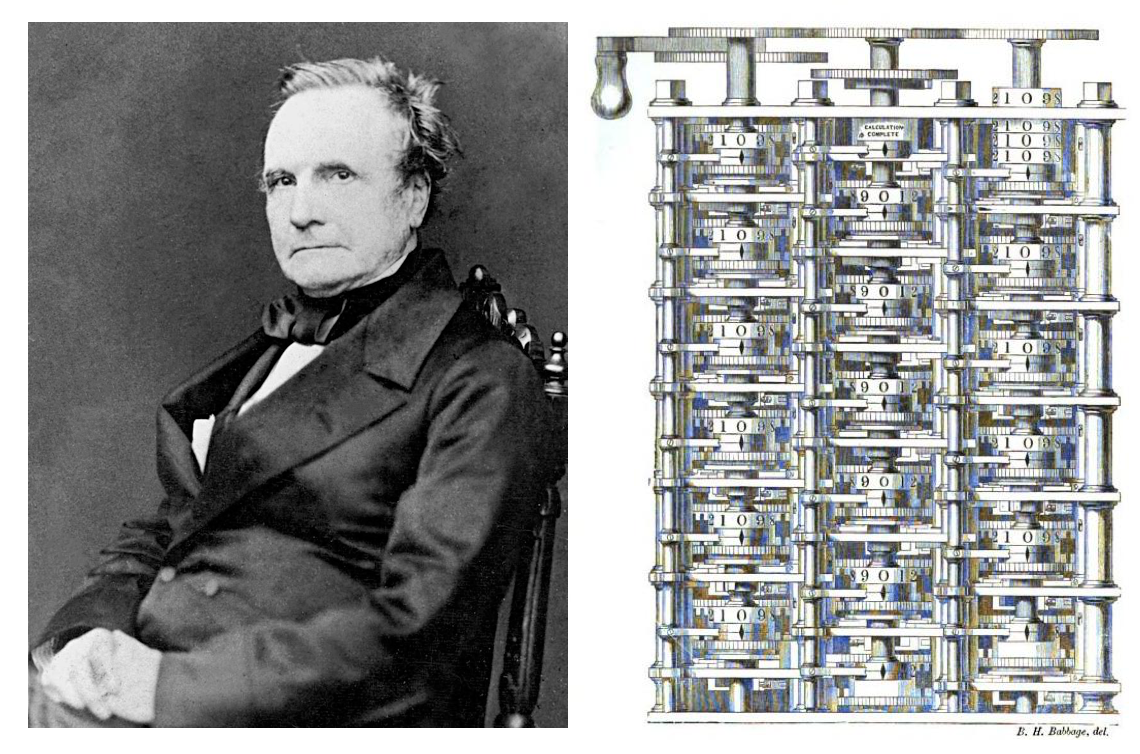
Charles Babbage is one of my computing heroes, not just because he invented the Difference Engine, and not just because he collaborated closely with Ada Lovelace on the Analytical Egnine, but because he said this:
"On two occasions I have been asked, 'Pray, Mr. Babbage, if you put into the machine wrong figures, will the right answers come out?' I am not able rightly to apprehend the kind of confusion of ideas that could provoke such a question."
That quote resonates with anyone who has tried to explain technical concepts to non-technical people, whether that means fixing your friend’s PC or presenting an IT investment case to the Board. Of course, if we fail to explain something well, it is our fault rather than the fault of the audience. But we can’t help recognising the combination of frustration and bewilderment in Babbage’s words.
This is probably the earliest expression of the GIGO (Garbage In, Garbage Out) principle: that if you provide a computing system with bad input, you will get bad output. It’s a fundamental principle of computing.
Except . . . maybe it’s not quite as fundamental as it used to be. Increasingly, thanks to a combination of AI solutions, increasing computing power and access to huge quantities of data, GIGO has started to mean Garbage In, Goodness Out: computing systems are starting to predict what outputs we want, even if we provide the wrong inputs.
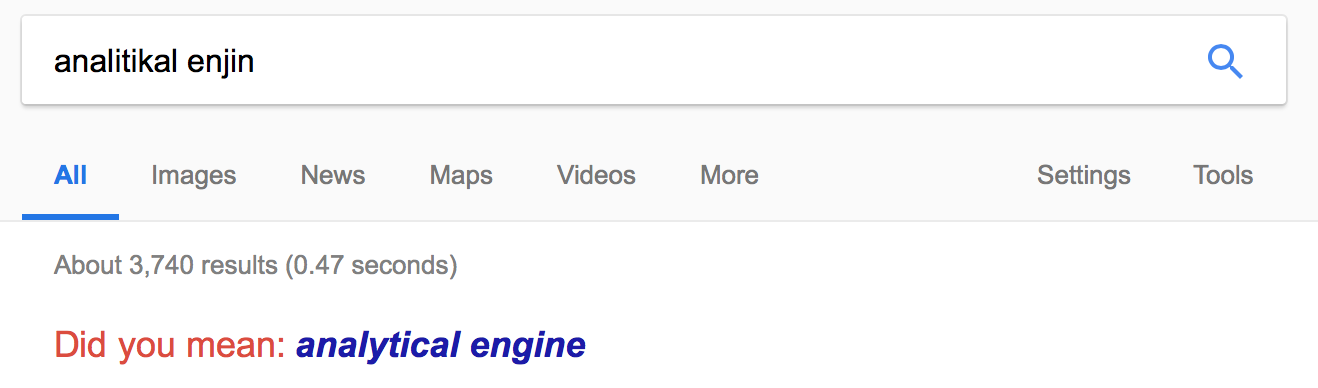
We already encounter this phenomenon in everyday life. For example, I have become sloppy about the terms I enter into a search engine: I can rely on it to suggest terms which other people have entered, to correct my spelling, and even to suggest what I really wanted. I can put into the machine wrong terms, and have the right answers come out.
Does this mean that we need to stop worrying about the data we provide to computing systems? Are we entering an era where we can give systems an approximation of our desires and rely on them to figure out our needs?
This might be starting to be true at run time, but it is still far from true at design time and build time, for two important reasons.
First, when we build systems which anticipate the needs of their users, we must think carefully about how we let those users know that their needs have been anticipated. Search engines are examples of systems which usually do this well: we are used to seeing the phrase ‘did you mean X?’ or ‘searching instead for Y’. The search engine is letting us know that it has changed (or suggests changing) our search terms. Autocorrect on phones is an example of a system which often does this less well: we are used to sending messages that contain words we didn’t intend, and scrambling to assure the recipient that we meant ‘node’ rather than ‘nude’.
Second, Garbage In, Garbage Out is still true, it’s just true at a different stage of the lifecycle. For AI systems to anticipate users’ needs well, they need to be trained well, and to be trained well, they need to have good data. And that data doesn’t just need to be collected, it needs to be curated, analysed, refined, managed and examined for bias. Getting data right is actually more important than ever, and the consequences of getting it wrong can be far reaching.
Maybe AI hasn’t eaten my favourite quote after all. As the level of hype around AI continues to exceed the level of understanding about how it works, believing that, if you put into the machine wrong figures, the right answers will come out, continues to represent a confusion of ideas. And those of us whose job is to explain technical ideas to non-technical people still have some work to do.
(If you’re not familiar with the life and work of Ada Lovelace and Charles Babbage, or if you are, but want to know more, you might enjoy Sydney Padua’s incredibly entertaining and educational ‘The Thrilling Adventures of Lovelace and Babbage’.)
